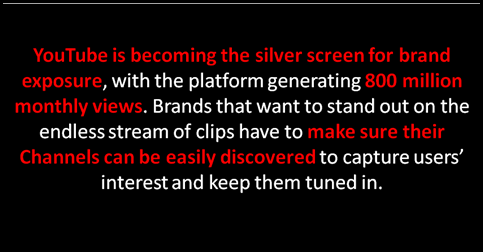
 The explosions in the video content strategies have occurred because of the ever growing YouTube channel which is now the second largest search engine. Adding to this YouTube receives billions of views every month which is indeed the great potential for brands to be active on this medium. Not just upload the video, but brands can actually connect with their target audience on a global level. One cannot miss thinking about a custom YouTube channel!
Before we move on, let us clearly understand that there are three types of YouTube channels.
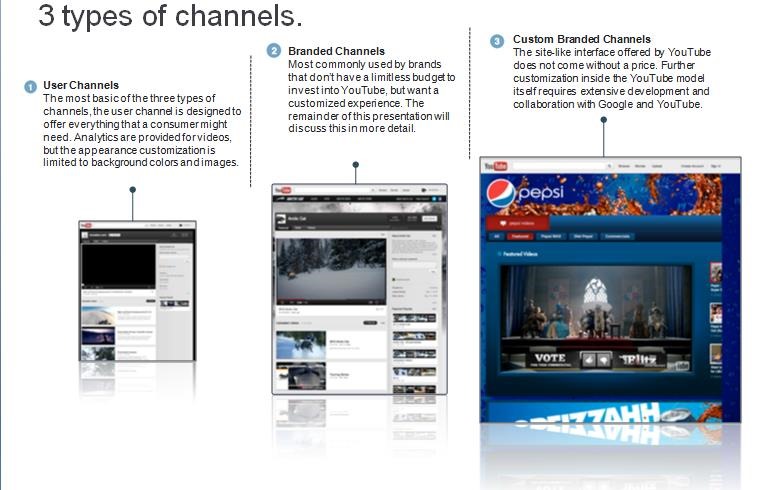
Courtesy: Periscope
Lately have you noticed any brand or brands having cooler YouTube pages as compared to the others? If yes, then you might have also noticed they have super designs, amazing content, user friendly approach, shorter URLs, bold graphics etc. Well, these are none other than customized or branded YouTube channels.
Brand channels basically allow the marketers and brand managers to come out of the standard YouTube channel and customize their current channel by creating a true destination page. What you find in the end with this approach will truly be extravagant!
Customized channels are a sort of perk for the YouTube advertisers wherein later you have the benefits of using the channel for some advertising campaign as well. If, at some point you want to show Youtube icon on your advertising resources, you will need permission, which costs money of course. Furthermore, custom branded channels can also host contests once sanctioned by YouTube.
Viewer behaviours can be tracked through enhance metrics and tracking. You come to know the featres of your video which are good, bad, hot or cold, you can check the viewer increase or decrease. The best thing is that Google Analytics can be integrated for in-depth analysis and reports. Even third party tools for tracking can be integrated.
Get all the whistles and applauds for your brand with a customized YouTube channel and check the difference it makes to your overall brand performance.
Once you have thought of getting started with a custom branded YouTube channel, you can browse though this manual which has instructions on how to customize YouTube brand channels.
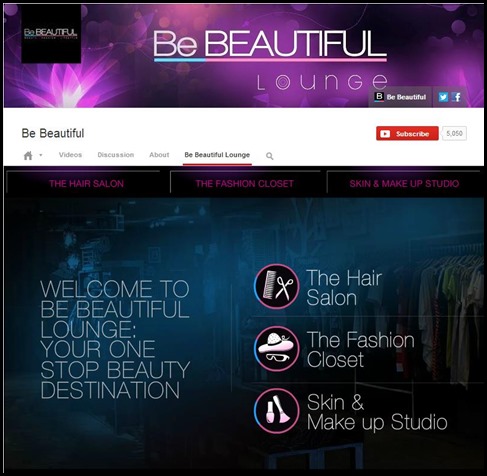
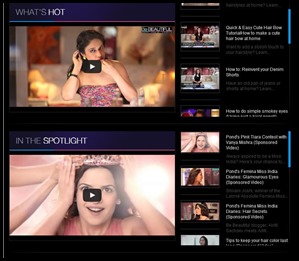
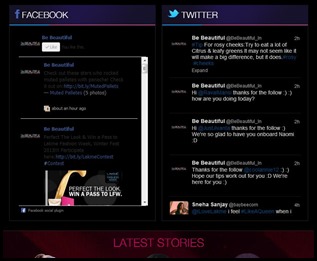
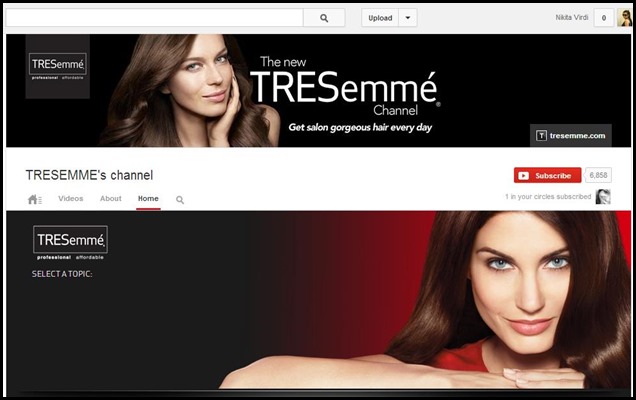
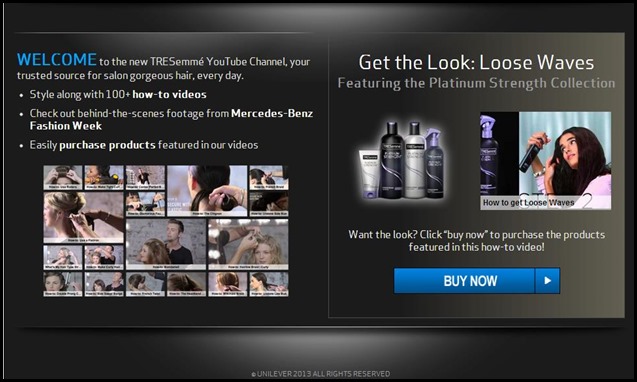
Here are examples of two beauty brands on YouTube doing well as customized channels. From thumbnails to tags, descriptions and design everything is up to the mark. Following this there are other brand categories like music, gaming, travel, fashion etc.
Be Beautiful gives an ultimate experience to its viewers and consumers.
Tresemme offering hair & salon products and styles from professional hair stylists has an amazing customized YouTube channel.
What is it all about YouTube custom brand channels?
Though content still remains the priority and something which cannot be avoided, with a YouTube custom brand channel every aspect of the brand’s page is customizable virtually. The complete brand look and feel can be integrated with coding and editing etc.
Now, you must be wondering ‘my brand already owns a YouTube brand channel’. Kudos to that! And of course the regular brand channel must be offering everything, from large header, to a background image, impression tags and last but not the least metrics and tracking. This is good! But, wouldn’t you want something best for your brand?
A customized YouTube brand channel can uplift your brand to new heights. You will not only engage users, but engage them in an interesting way.
YouTube Channels created for brands should be attractive enough to showcase the look & feel of the brand. A brand channel makes it easy for the clients to land to your brand’s page. Try combining these with other social media channels such as Facebook, Pinterest and Twitter for getting higher leads.
Now there is something that is very essential for brands to put all their efforts into. Brands are:
Creating content that the audience wants, like: product reviews, how-to-videos etc.
Optimizing Videos, important keywords, description and adding tags, titles, description in a properly categorized way.
Amplifying their brand’s link building capability by linking Facebook, Twitter, blog to their YouTube video page as it will foster to & fro of traffic thus, optimizing your search results.
Sharing, yes, sharing the video with as many people as they can as simply posting a video will be of no help. Share the link with people in your circle, if they like the link they will click & share. A great word of mouth marketing this is.
Click here to check out how YouTube’s top 500 brands are pushing creativity, bite-sized videos.
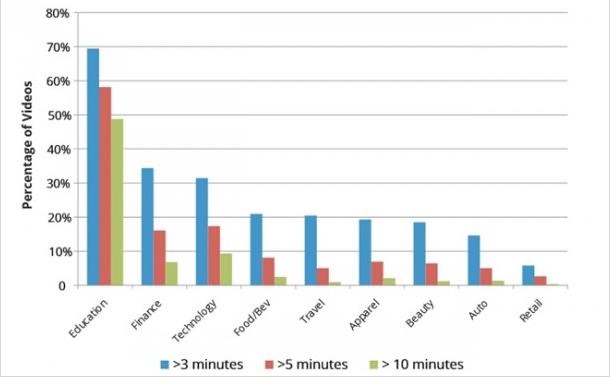
A report from Outrigger Media has used OpenSlate‘s data to exhaustively research the top 500 brand channels on YouTube.
Brands that have a customized YouTube channel are a premium value-added source and can uplift the brand identity in a great way.
Customized YouTube brand channels still hold the uniqueness in terms of
Demographic Targeting wherein custom branded YouTube channels can restrict users according to the age, location or gender.
Design is always on the top when it comes to customized YouTube channel. All the elements can be customized according the marketing design of the brand.
Gadgets & HTML feature in branded & customized YouTube channels helps brands, for some extra functionality, add widgets to their channels and can also plan to embed their channel into their website as well.
Analytics can be viewed by both branded and personal YouTube channels. Still, branded & customized channels have an advantage to add third-party analytics if required.
Brands can also work towards personalizing their channel by handling the new changes and optimizing the new options available:
Create a Welcome Video
· In order to optimize the options available for YouTube’s brand channels, brands should take note of the below points:
· Create a welcome video that is geared towards viewers who do not subscribe to the page
· Keep the videos very short and compelling
Personalize your channel
· If brands are looking for ways to drive their traffic to their YouTube brand channel to other social media platforms they can personalize it.
· They can do so by adding a large header image called as ‘Channel Art’, a great way for brands to present their brand picture in a well sorted manner.
Organize your content
· In order to make your brand YouTube page looking neat, fresh and well structured & updated; it is very essential to categorize and organize the content that is available on your YouTube channel.
· YouTube enables its users to re-organize their content.
· Businesses can optimize their content on YouTube in such a way that users generate interest for browsing through your videos etc.
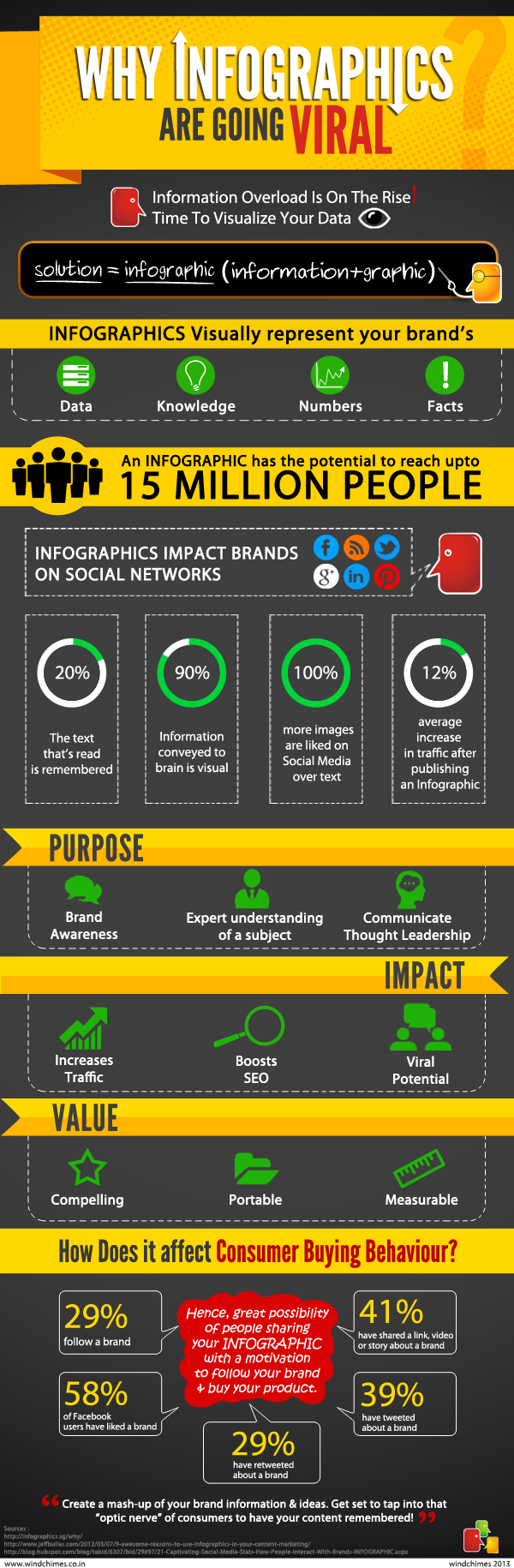
Check out an amazing Infographic on how one can optimize their brand/business YouTube channel. Click on the image to view.
Courtesy: http://www.brafton.com/infographics/top-10-ways-to-optimize-your-business-youtube-channel
In a nutshell, a customized YouTube channel
- · Can make your branded video seen by billions
- · Will show up on Google search instantly and attract a lot of potential customers
- · Easily links to your websites or social media platforms etc.
- · Provides a backlink to the website your brand has, thereby boosting your SEO
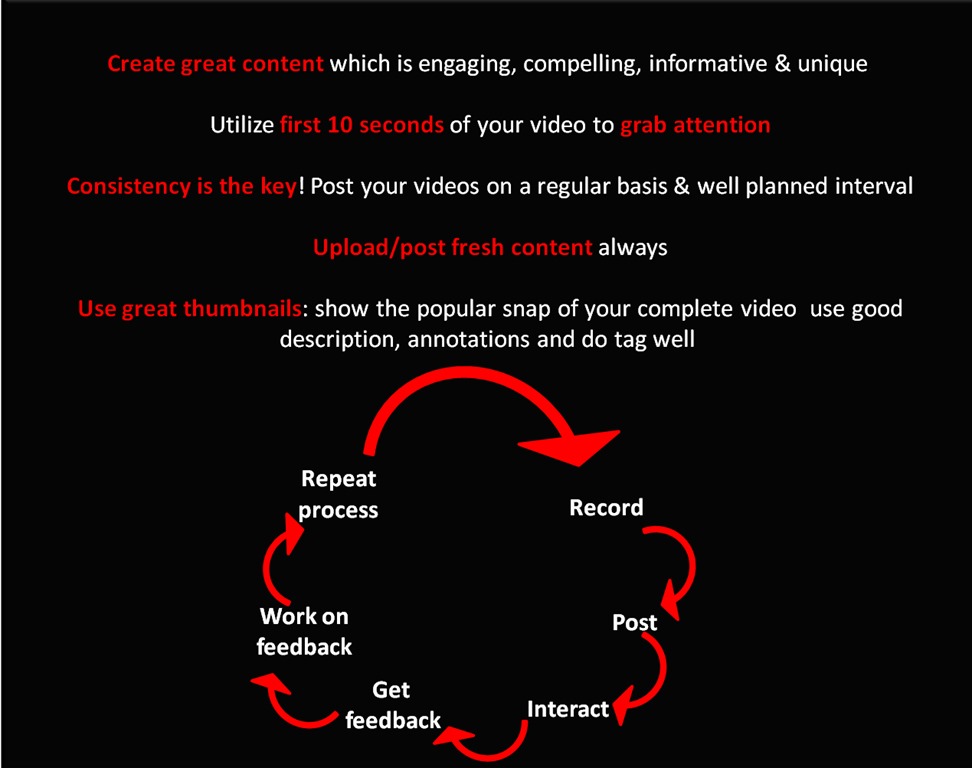
Honestly, YouTube’s new look and design is turning out to be an interesting step towards the right direction. YouTube has very nicely managed to add a well sorted layer of user experience & brand factor, which eventually gets better day by day. An evolution like this will soon prove extremely valuable to YouTube channel owners.
Brand marketers have already begun to embrace a constant, pervasive video content strategy for their brands. What their brands do on other social platforms like Twitter, Facebook etc. will always help them build engagement and identity. But the brands which make an active presence on YouTube have a great potential to branch out to success? Do you agree with the same? Share your thoughts.


![clip_image002[6]_thumb[2]](https://windchimes.co.in/blog/wp-content/uploads/2011/11/clip_image0026_thumb2.gif)
![clip_image004[6]_thumb[2]](https://windchimes.co.in/blog/wp-content/uploads/2011/11/clip_image0046_thumb2.gif)
![clip_image006[6]_thumb[2]](https://windchimes.co.in/blog/wp-content/uploads/2011/11/clip_image0066_thumb2.gif)
![clip_image008_thumb[2]](https://windchimes.co.in/blog/wp-content/uploads/2011/11/clip_image008_thumb2.gif)
![clip_image010_thumb[2]](https://windchimes.co.in/blog/wp-content/uploads/2011/11/clip_image010_thumb2.gif)
![clip_image012_thumb[2]](https://windchimes.co.in/blog/wp-content/uploads/2011/11/clip_image012_thumb2.gif)
![clip_image014_thumb[2]](https://windchimes.co.in/blog/wp-content/uploads/2011/11/clip_image014_thumb2.gif)
![clip_image016_thumb[2]](https://windchimes.co.in/blog/wp-content/uploads/2011/11/clip_image016_thumb2.gif)